


Churches and convents
The churches and convents that embody the essence of the city
Seville is a city where faith, art, and history coexist in perfect harmony among majestic churches, convents filled with serenity, and temples that preserve centuries of tradition. Every corner reflects the value of its religious heritage, turning its streets into a true journey through the deepest essence of the city.
We invite you to discover its most representative churches and convents: places filled with history, beauty, and spirituality that are part of the soul of Seville and have become essential visits for discovering its cultural legacy and unique identity.
Basilica of La Macarena
A symbol of deep devotion and home to the venerated Virgin of Hope Macarena
The Basilica of La Macarena is a neo-Baroque Catholic temple located in the La Macarena district, in Seville. It houses the image of the Virgin of Hope Macarena, one of the most venerated Marian devotions in Seville and a symbol of popular Andalusian devotion.
To visit this temple, we recommend taking the Seville Heritage tour, as it is the best way to understand Seville’s history and soul in a close, engaging way without missing any important details.
It is the ideal option to gain a deeper understanding of the devotion to La Macarena through a visit to the Basilica of Santa María de la Esperanza Macarena, and also to take the opportunity to discover other emblematic places in the city such as the modern Metropol Parasol (Las Setas) and the elegant Palace of Las Dueñas.
Church of El Salvador
A church built on the site of a former Almohad mosque, reflecting the living history of the city
The Church of El Salvador is one of the most impressive churches in the city and a magnificent example of the splendour of Sevillian Baroque. Built on the site of an ancient mosque, this church stands out for its spectacular reddish façade and a richly decorated interior featuring gilded altarpieces, sculptures and works of great artistic value.
Considered the second most important church in Seville after the Cathedral, El Salvador impresses visitors with its spaciousness, brightness, and the richness of its details, reflecting the city’s deep religious and artistic tradition.
An essential place to visit in Seville, captivating visitors with its history, beauty, and the unique atmosphere that can be felt in every corner.
With the Seville Essential tour, you can visit the impressive Church of the Divine Savior and gain a deeper understanding of its history, artistic richness, and importance within Seville’s heritage. Through clear and detailed explanations, you will discover its secrets at your own pace, enjoying a complete cultural experience.
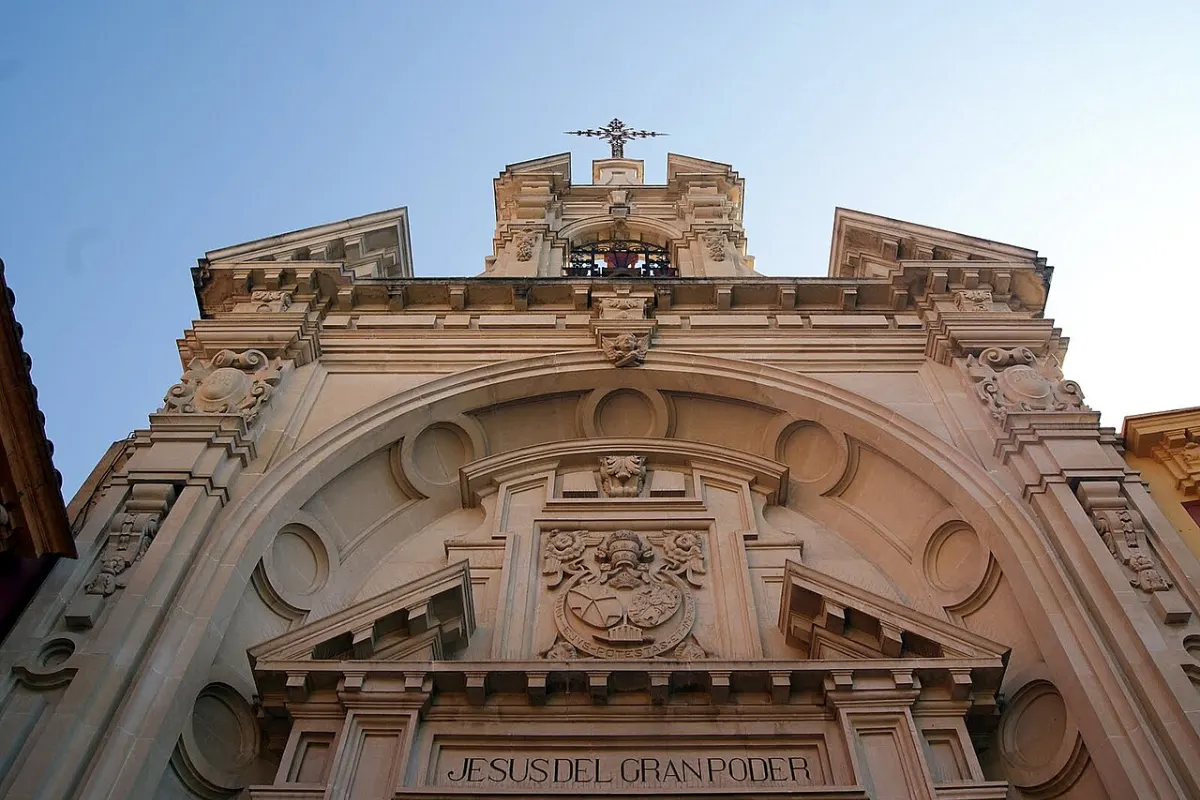
Basilica of El Gran Poder
The home of Our Lord of Seville
The Basilica of the Gran Poder is one of the most important temples in Seville. Built in the 20th century in a Neo-Baroque style, it was designed as the permanent home of one of Seville’s most venerated images: Jesus of El Great Power.
Its interior, marked by sobriety and contemplation, is designed to draw all attention to the main image, which presides over the high altar and attracts thousands of worshippers throughout the year.
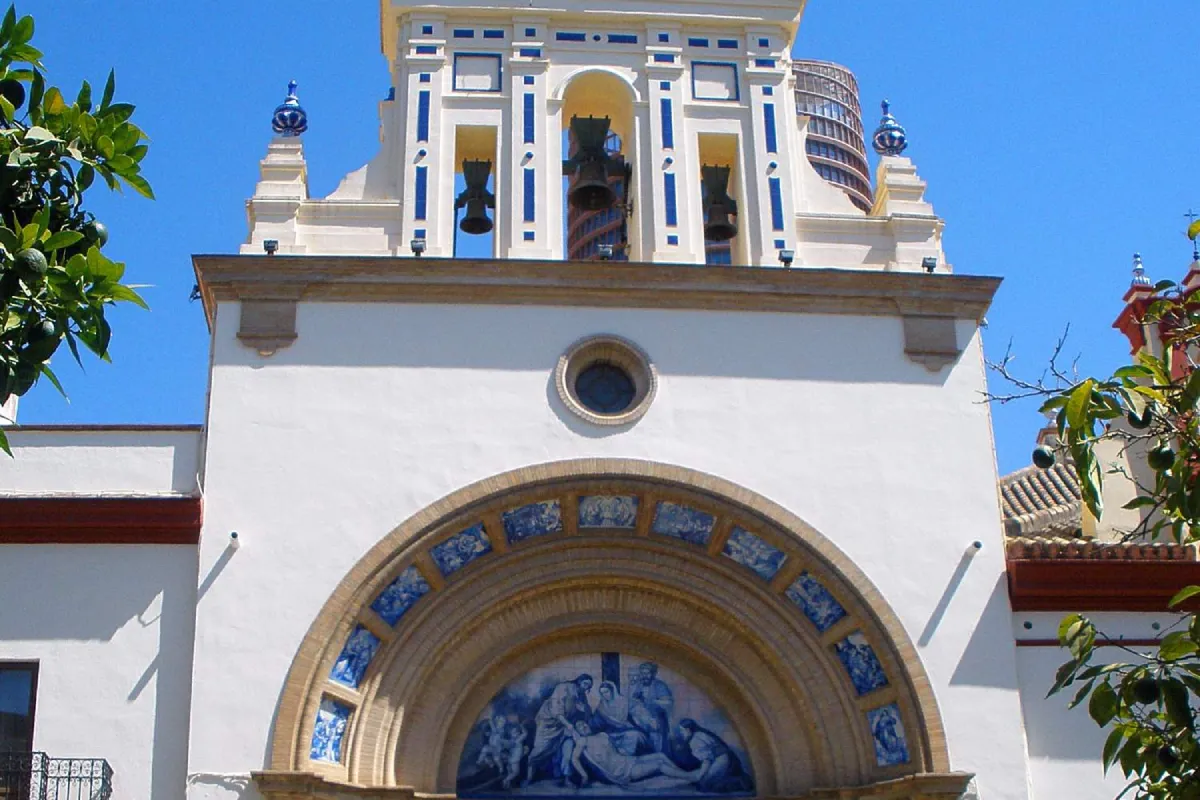
Basilica of El Patrocinio
The centre of devotion to Our Lady of the Patronage
The Basilica of El Patrocinio, located in the Triana district, is one of the most important temples in Seville and a deeply rooted symbol of the neighbourhood’s identity.
It was built in the 20th century, specifically in the 1960s, on the site of an earlier temple. Its interior, simple yet solemn in style, is focused on the veneration of the Christ of the Expiration, known as “El Cachorro”, one of the most striking images in the city due to its great expressiveness and emotional power.
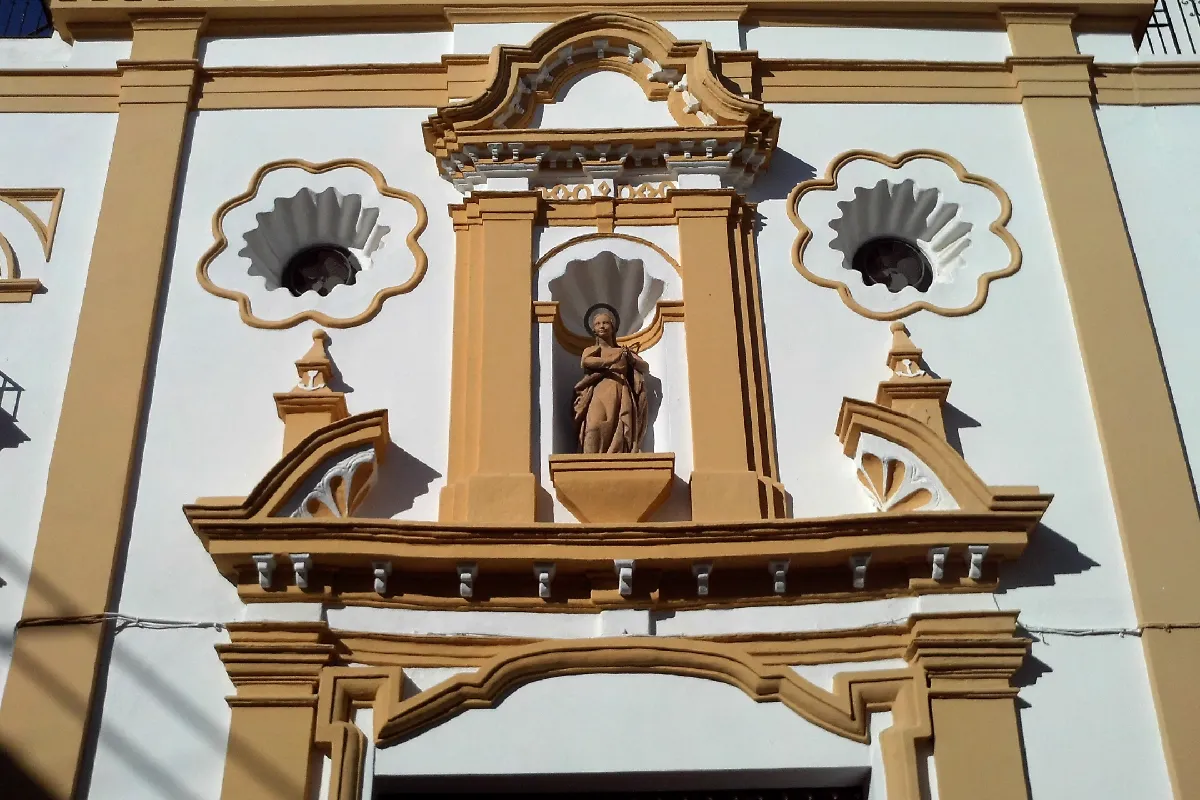
Chapel of Los Marineros
The home of the Hope of Triana.
The Chapel of the Sailors is one of the most important temples in Seville and a symbol deeply connected to the identity of the Triana district, built in 1929 in the 20th century.
It is the headquarters of the Brotherhood of Esperanza de Triana, where the Virgin of Hope is venerated, one of the most beloved and representative images of the city due to its great devotional and emotional significance.
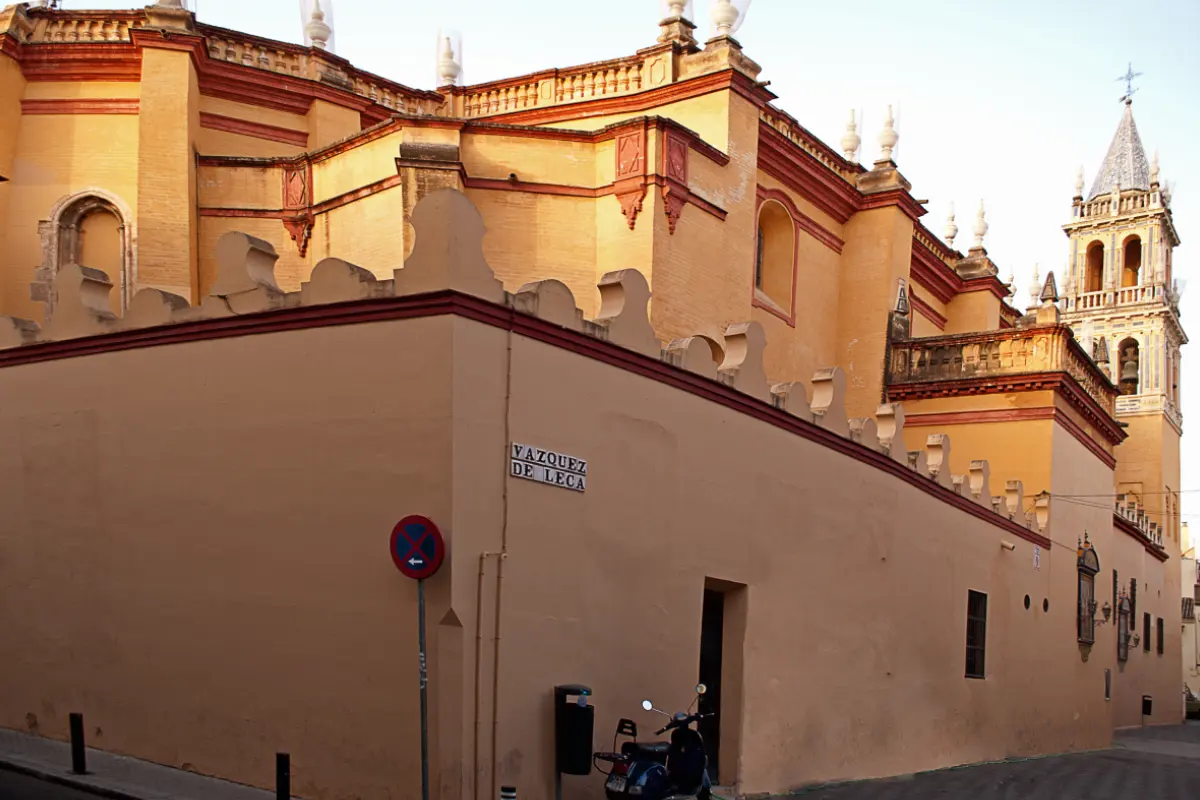
Church of Santa Ana
The first Christian temple built in the city after the Reconquest
The Church of Santa Ana is one of the most important churches in Seville and the oldest church in the Triana district, built in the late 13th century in the Gothic-Mudejar style following the Christian conquest of the city.
Its interior is notable for its significant historical and artistic value, featuring chapels, altarpieces and other features that reflect centuries of architectural development. It is popularly known as the “Cathedral of Triana” due to its importance within the neighbourhood.
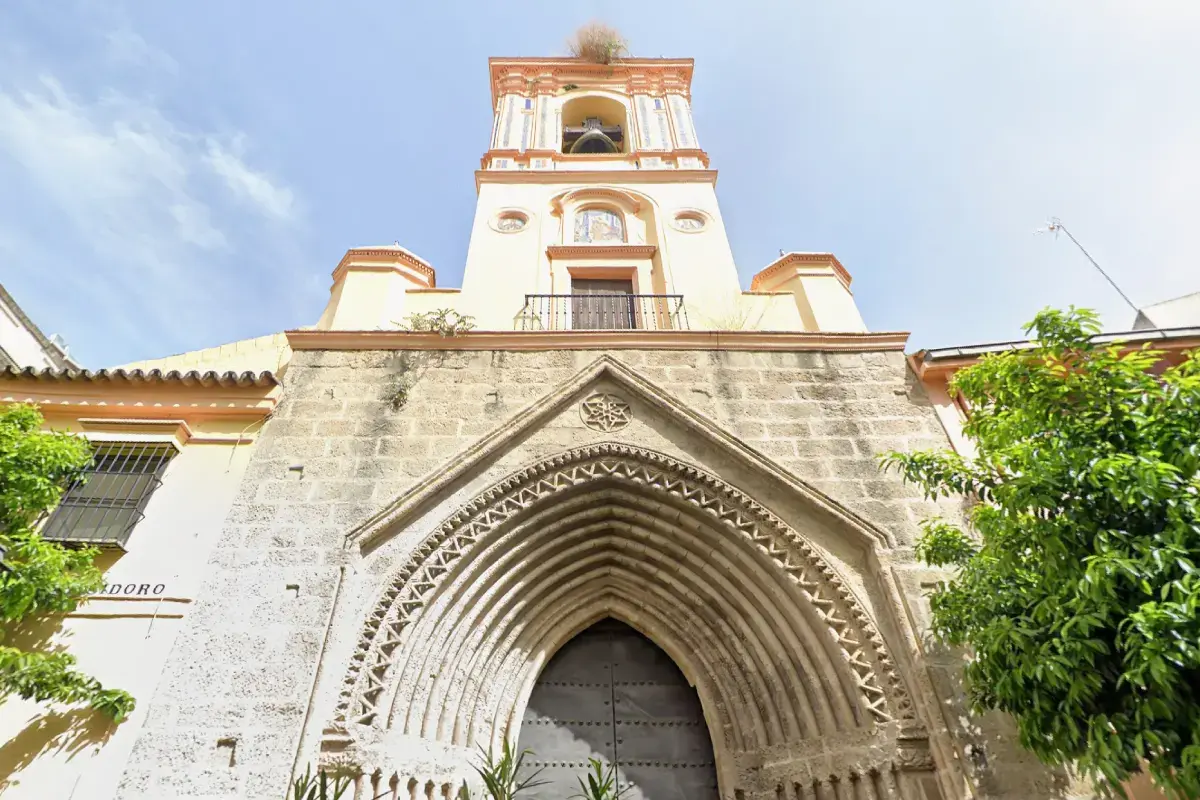
Church of San Isidoro
A key medieval church in Seville’s historical heritage.
The Church of San Isidoro is one of Seville’s most important churches and a fine example of the historical heritage of the city’s old town, with origins dating back to the Medieval period, although its current appearance is largely the result of renovations carried out between the 14th and 18th centuries.
Its architecture combines Gothic-Mudejar and Baroque elements, and inside it houses valuable works of art, altarpieces and chapels that reflect the artistic evolution of Seville over the centuries.
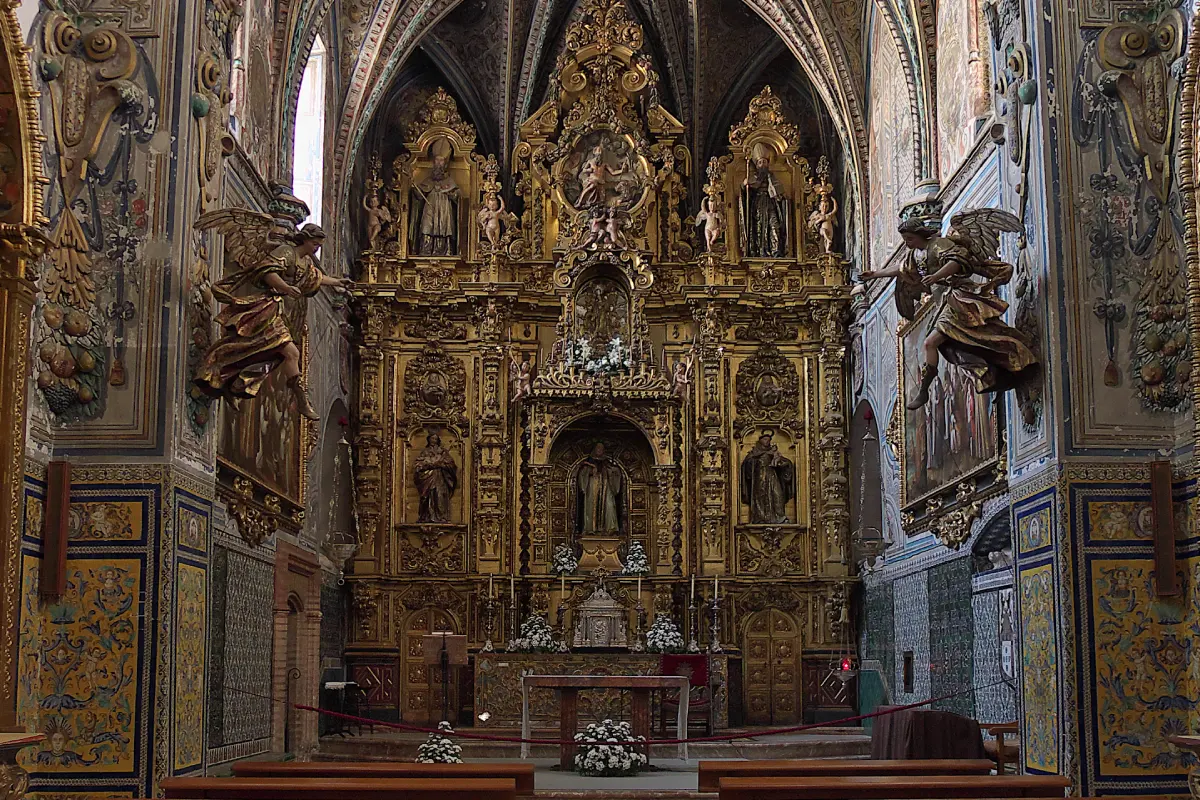
Convent of Santa Paula
A historic haven filled with art and monastic silence
The Convent of Santa Paula is one of the most representative monastic complexes in Seville and a place full of history in the heart of the city, founded in the 15th century
Its architectural ensemble combines Gothic-Mudejar and Renaissance elements, and is notable for its church, cloister and valuable artistic heritage. The Hieronymite nuns who live there have kept alive for centuries a tradition of contemplative life and the production of handmade sweets that are highly regarded in Seville.
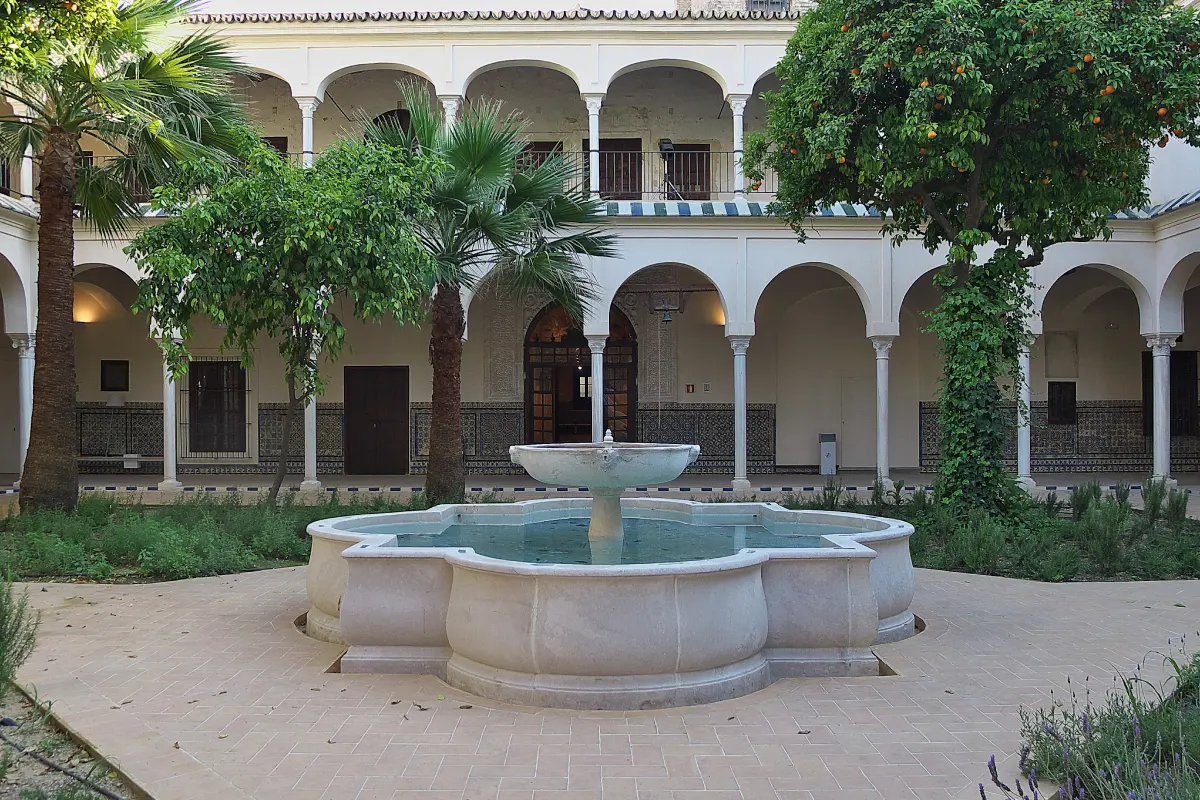
Convent of Santa Clara
A refuge of silence and beauty within centuries-old walls
The Convent of Santa Clara is one of Seville’s most significant monastic complexes and a historic site of great value, dating back to the 13th century following the arrival of Christianity in the city.
The building retains a blend of architectural styles, with Gothic-Mudejar and Renaissance influences, the result of its many alterations over the years. Of particular note are the cloister, the church and various rooms that reflect its religious and residential past.
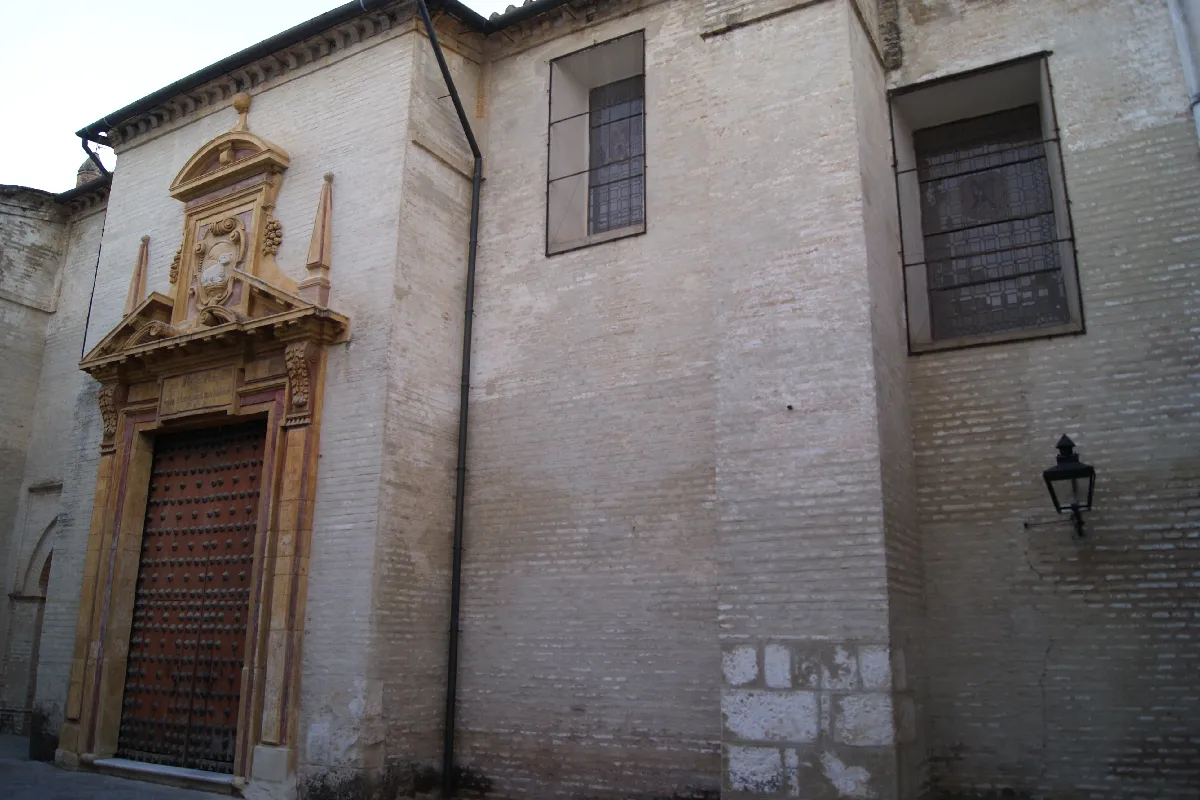
Convent od Santa Inés
A convent that is a prime example of the city’s historic monastic architecture
The Convent of Santa Inés is one of Seville’s most historically significant monasteries; it was founded in 1374, in the 14th century.
Its cloistered quarters and church are notable for their peaceful atmosphere and the sense of seclusion from the urban surroundings. Over the centuries, it has incorporated various architectural styles, retaining a medieval foundation with Gothic-Mudejar features and elements added during the Baroque period.