


Museums
Seville’s cultural heritage through its museums
Seville’s museums offer a wonderful insight into the historical and cultural richness of the city and of Andalusia as a whole. They are a diverse range of venues, covering everything from classical art to contemporary creation, as well as archaeology, folk traditions and maritime heritage.
Here you can trace the city’s evolution over the centuries: from the ancient civilisations that inhabited the area, to the artistic splendour of later periods and the most contemporary cultural expressions.
We invite you to discover its most iconic museums: spaces brimming with history, knowledge and creativity that form part of the soul of Seville and have become essential visits for understanding its cultural legacy and unique identity.
Museum of Fine Arts
A tour of Baroque painting in Seville
The Museum of Fine Arts of Seville is one of the most important museums in Spain and is located in a former 17th-century convent in the city center.
The building itself is already a gem: cloisters, courtyards, and distinctive Baroque and Mannerist architecture typical of Seville. It stands out for its extensive collection of Spanish painting, especially Sevillian Baroque art, featuring works by artists such as Murillo, Zurbarán, and Valdés Leal. It also includes pieces by El Greco and Velázquez.
To help you make the most of the experience, we recommend a guided visit to the museum that will allow you to discover its most outstanding works, the history of its rooms, and the most important artists in its collection. Accompanied by an expert guide, you will explore the museum in an engaging and enriching way, understanding each artwork in context and its significance within the history of art.
Archaeological Museum
Traces of the past in Seville
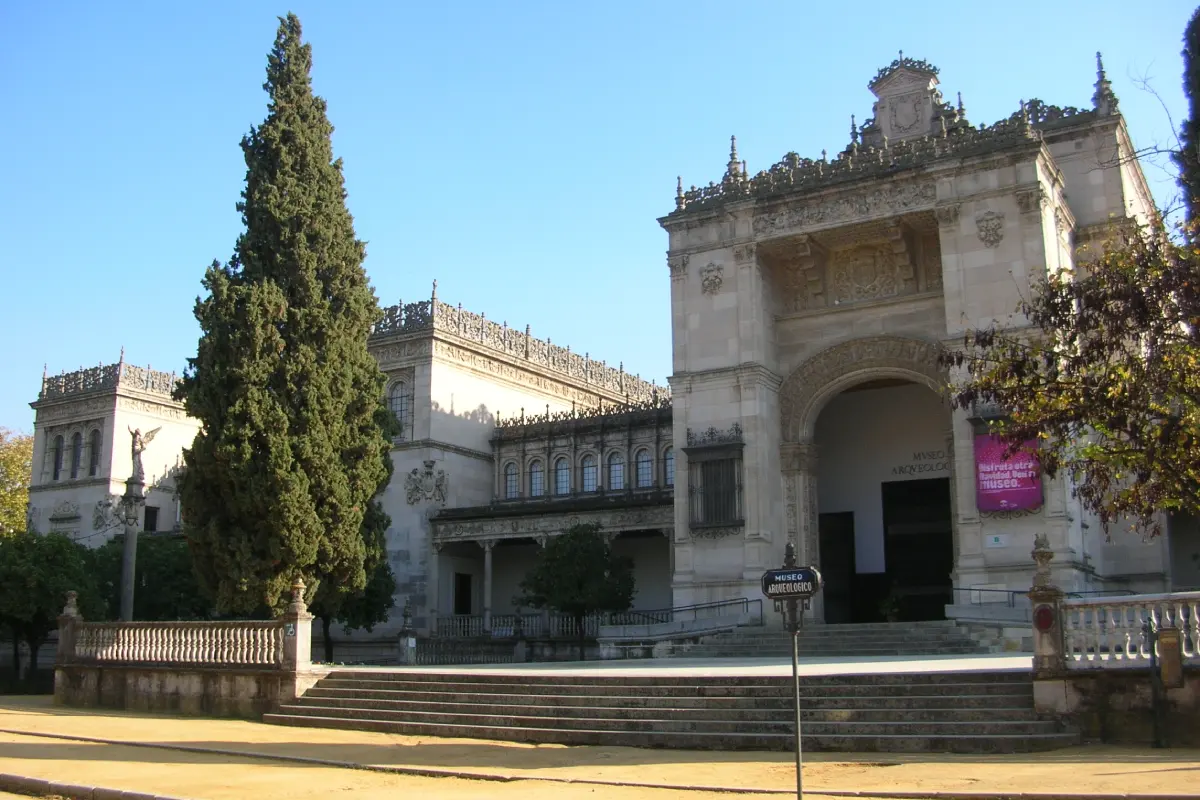
The Archaeological Museum of Seville is located in Plaza de América, within María Luisa Park.
This historic building, dating from 1929, is one of the most important museums for understanding the ancient history of the region. Inside, it presents the ancient history of Andalusia from Prehistory to the Middle Ages, with pieces from cultures such as Roman, Tartessian, Phoenician, Visigothic, and Islamic civilizations. It is especially known for the famous Treasure of El Carambolo.
Flamenco Dance Museum
The heart of flamenco in Seville
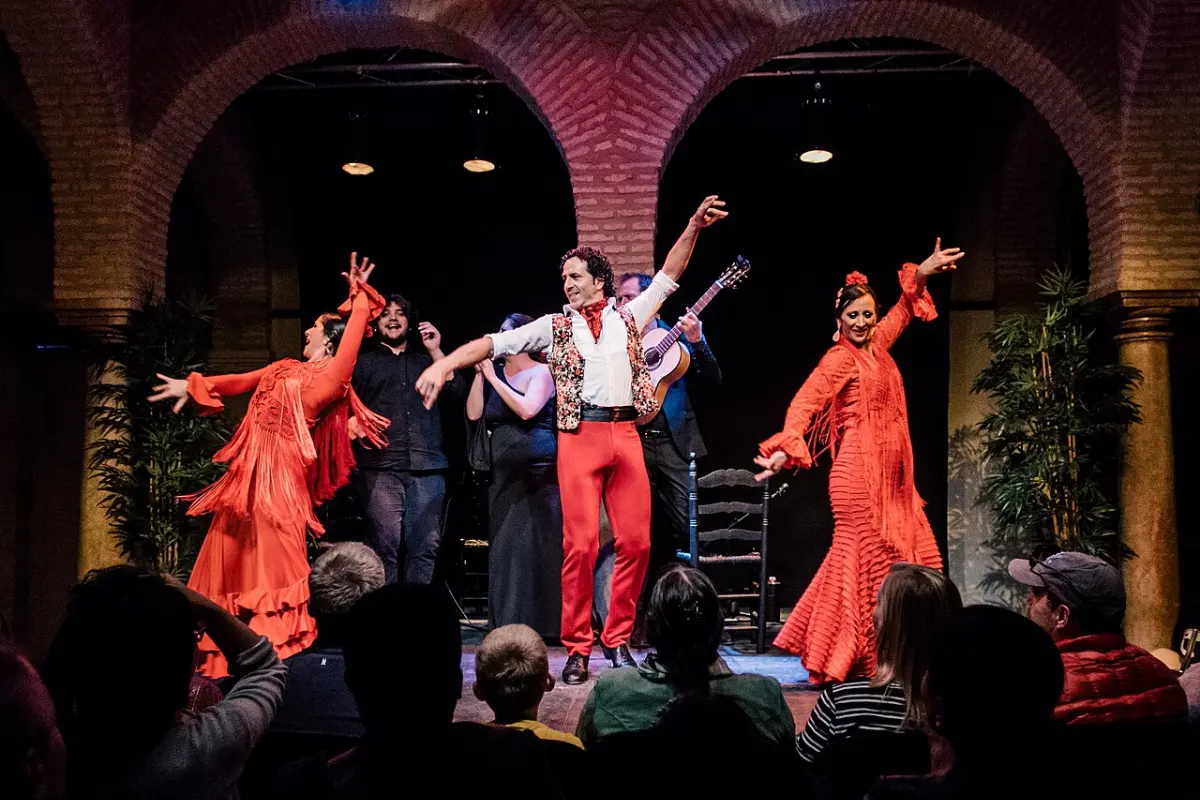
The Flamenco Dance Museum in Seville, opened in 2006, is a space created by Cristina Hoyos and dedicated to flamenco.
It combines a museum and live performances: it presents the history of flamenco and offers live shows of singing, guitar, and dance every day. It is a place strongly focused on the live experience and on understanding this traditional art form from Andalusia.
Naval Museum
The river and the sea in the history of Seville
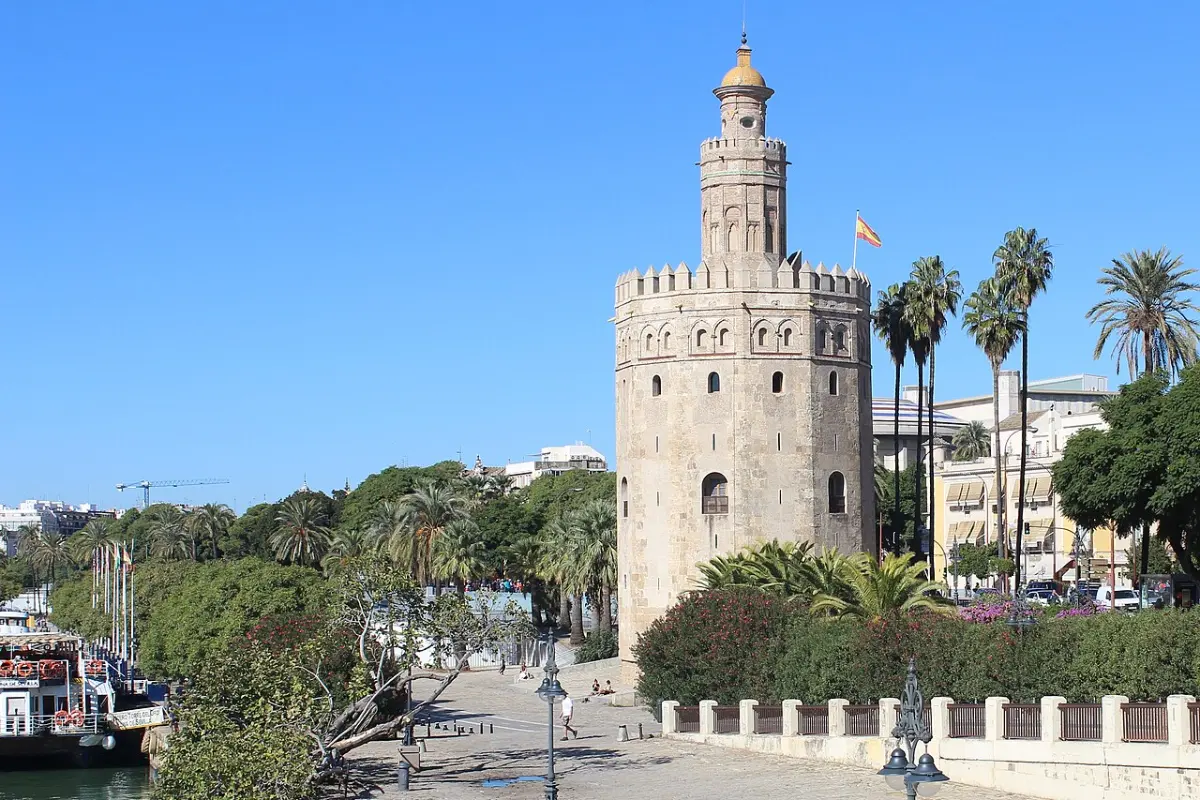
The Seville Naval Museum is housed in the Torre del Oro and is dedicated to the history of navigation and the Spanish Navy.
It displays model ships, old maps, nautical instruments and historical artefacts related to the sea. It is a small museum, but one that is interesting due to its location and the importance of the River Guadalquivir in the history of Seville.
Bullfighting Museum
The legacy of bullfighting in Seville
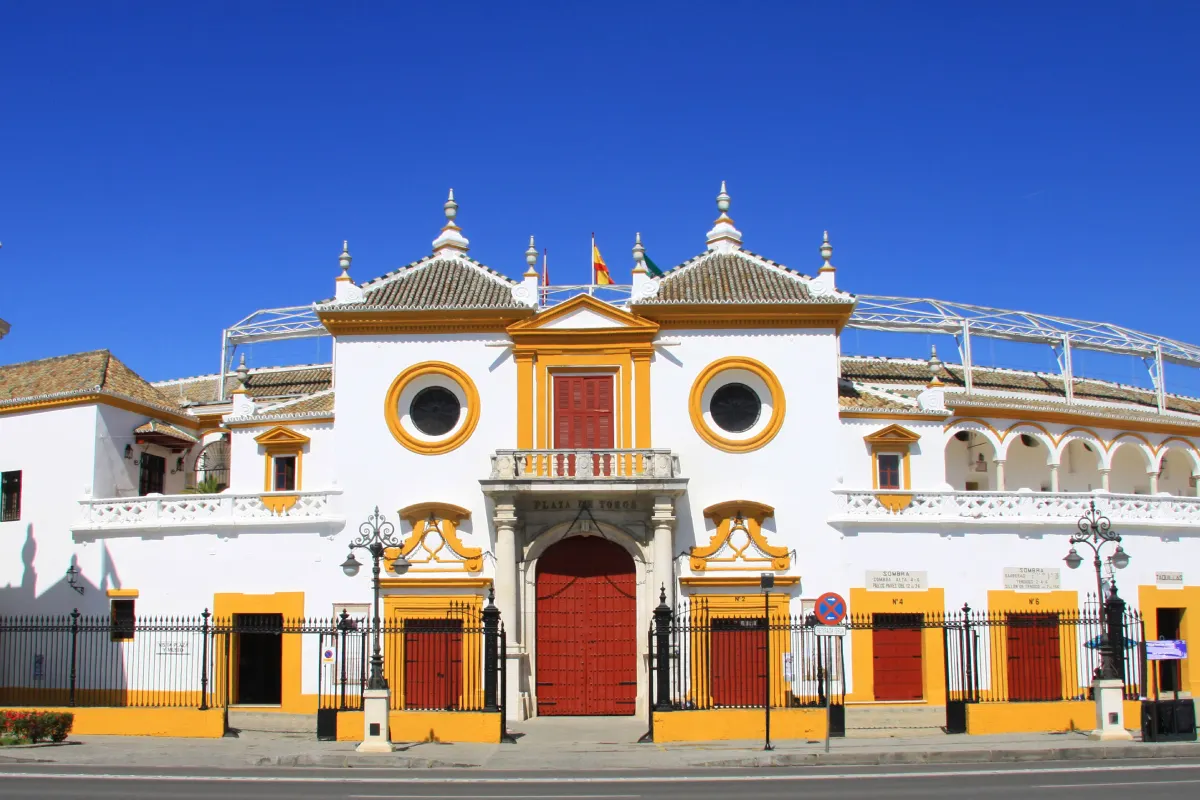
The Seville Bullfighting Museum is dedicated to the history and development of bullfighting in Seville, one of the city’s most iconic cultural traditions.
Here, visitors can learn about the origins of bullfighting, its most prominent figures, and the significance it has held in Andalusian culture over the years. The museum houses bullfighters’ costumes, posters, photographs, documents and other items related to the world of bullfighting.
Antiquarium
Remains of the past beneath the city
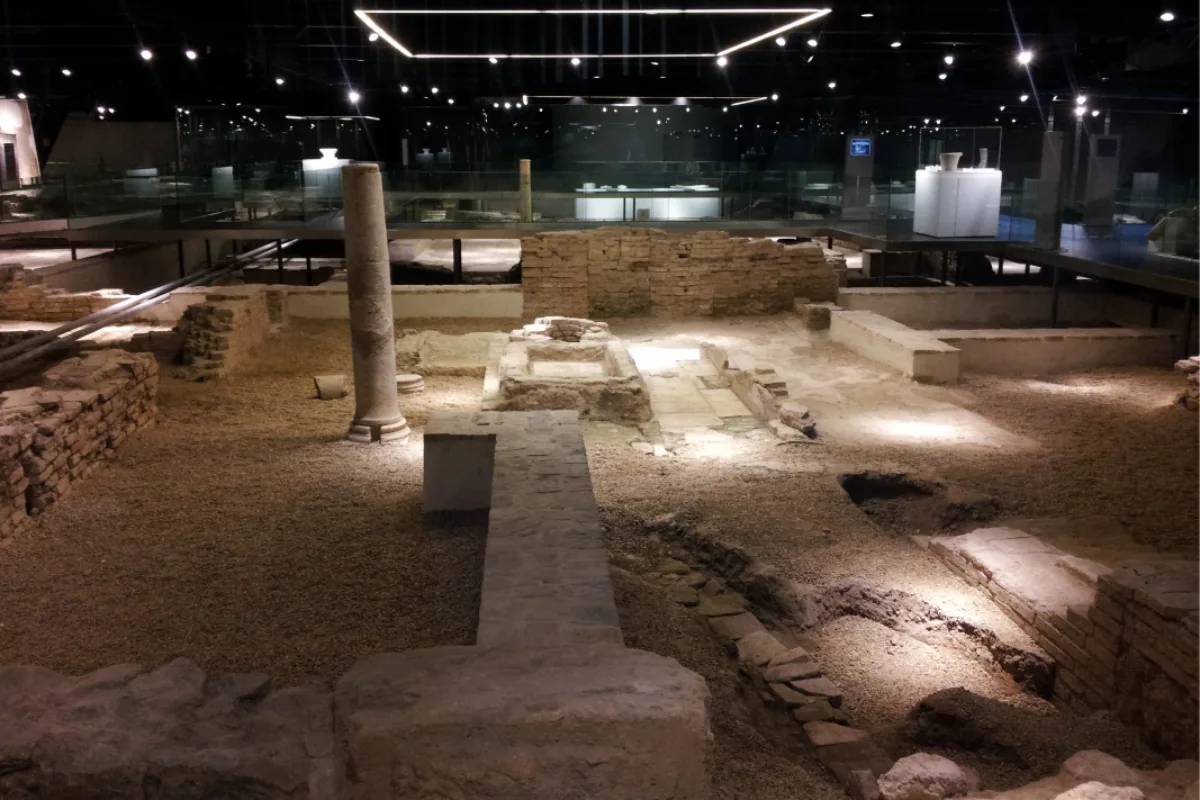
The Antiquarium of Seville is an archaeological site located beneath Plaza de la Encarnación, within the Metropol Parasol (Las Setas de Sevilla) complex.
It showcases remains from different historical periods, especially Roman and Almohad, which were discovered during the construction works of the building. Visitors can see ancient streets, houses, and well-preserved mosaics.
It is a modern and highly visual museum that allows visitors to walk above the remains of ancient Seville and understand what the city was like centuries ago.
Museum of Folk Arts and Customs
A glimpse into our traditions and daily life in Seville
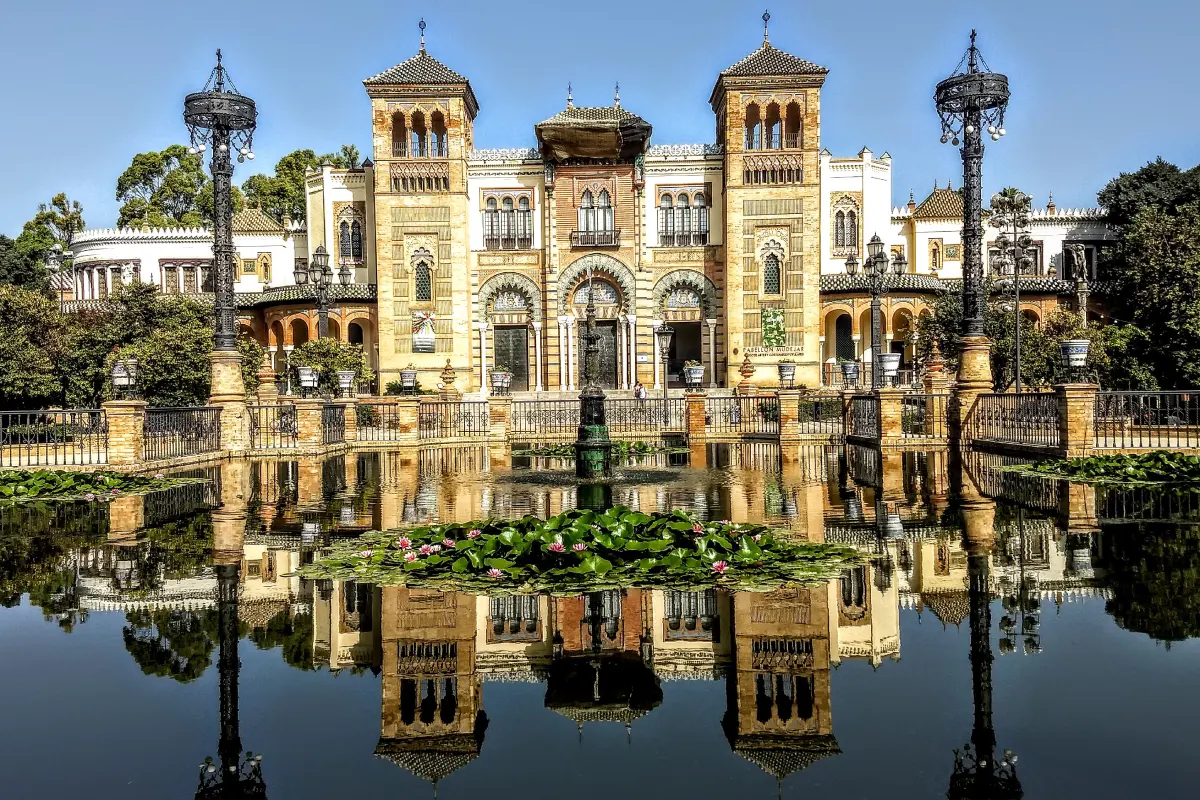
The Museum of Popular Arts and Traditions in Seville is located in Plaza de América, within María Luisa Park.
It is dedicated to traditional Andalusian life, showing what everyday life was like in both the countryside and the city between the 18th and 20th centuries. The museum features collections of ceramics, traditional costumes, tools, furniture, and objects related to old trades and crafts.
Andalusian Centre for Contemporary Art
La Cartuja of Art: a space for contemporary creation
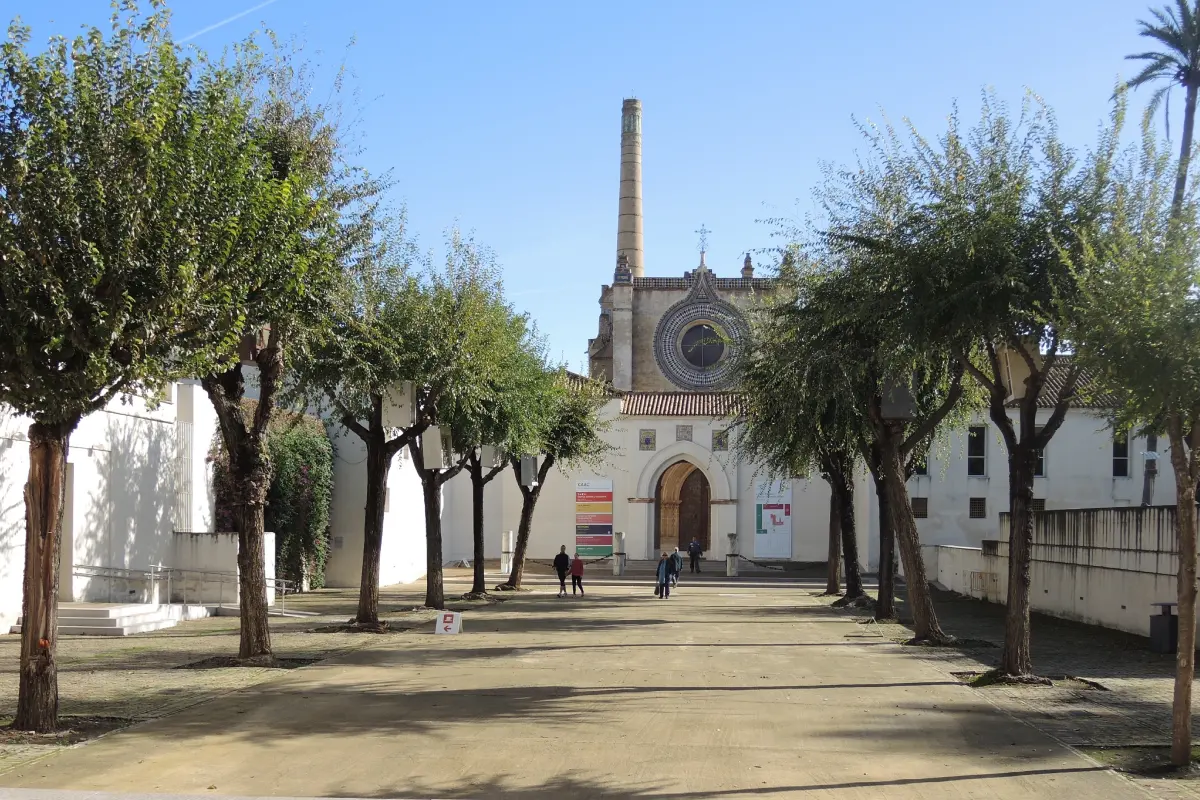
The Andalusian Centre for Contemporary Art is a museum in Seville dedicated to contemporary art, located in the former Monastery of La Cartuja, a large historic complex beside the Guadalquivir River.
Its collection includes modern and contemporary artworks by Andalusian, Spanish, and international artists. In addition to exhibitions, it also organises cultural activities, workshops, and artistic events, making it one of the leading contemporary art spaces in Andalusia.